Andrea Wedell
- Based in
- North Boulder,Boulder County
- Works in
- Oil & Acrylic
- Styles
- Abstract · Expressionism
- Subjects
- Floral · Figure · Still Life · Landscape
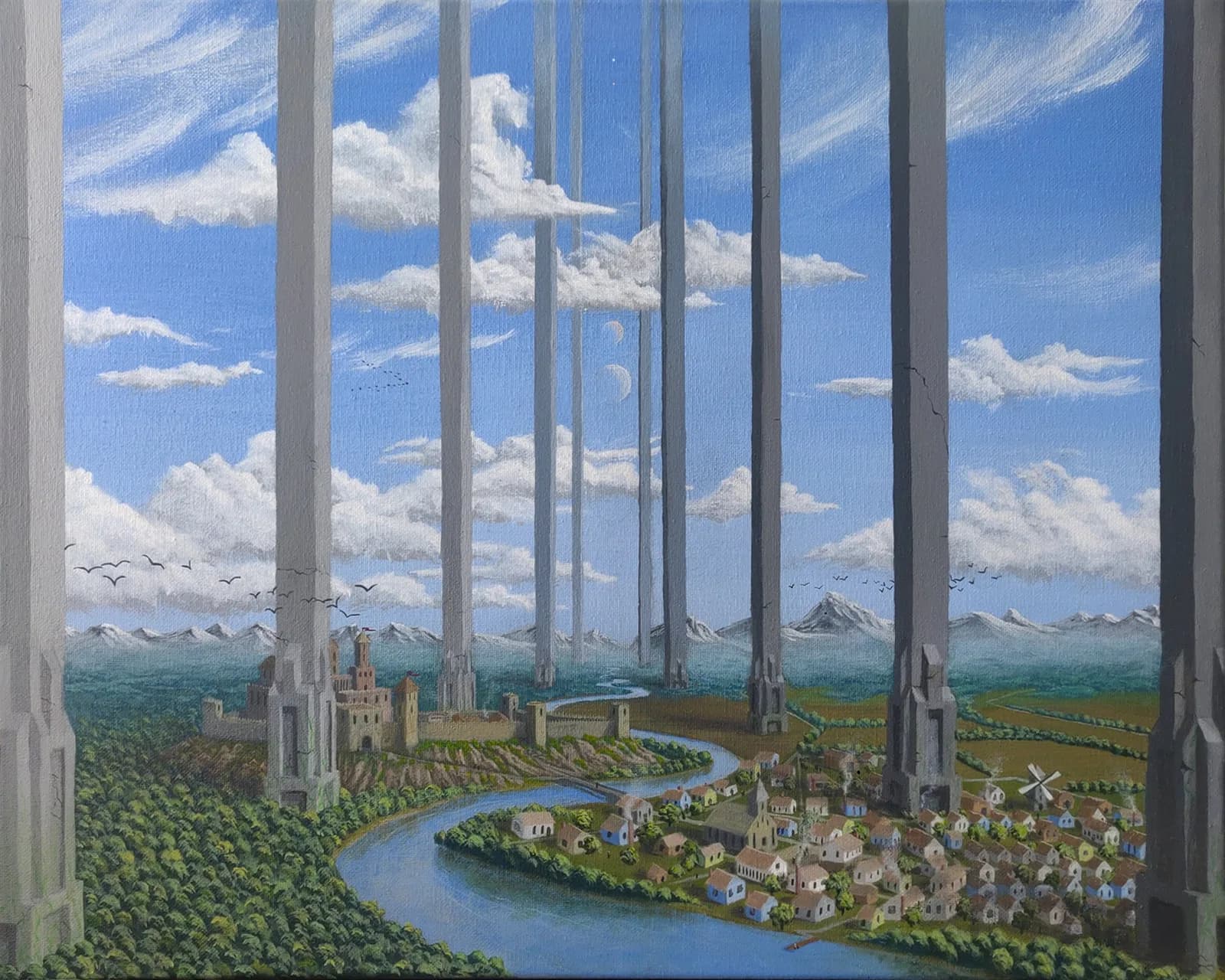
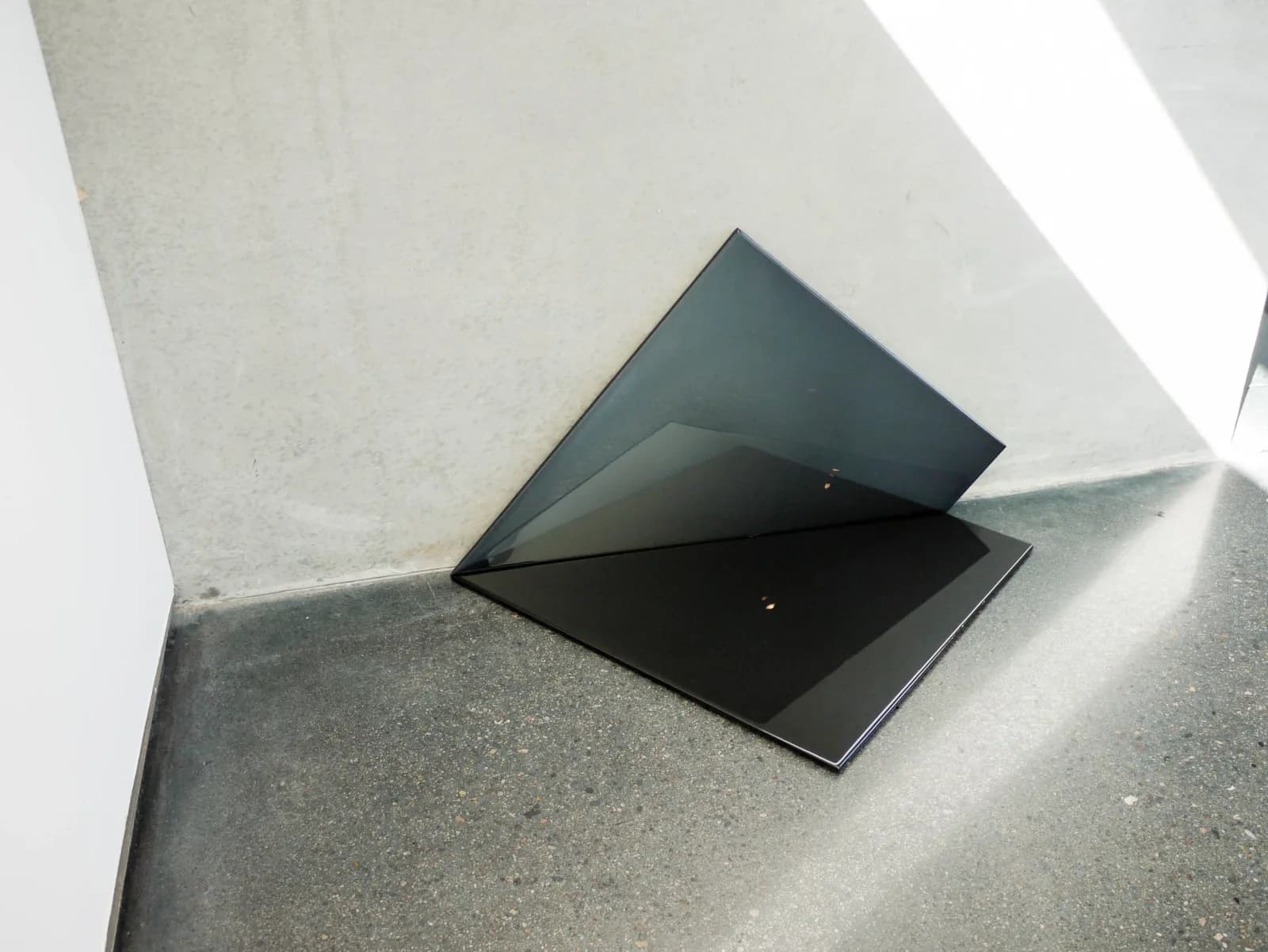
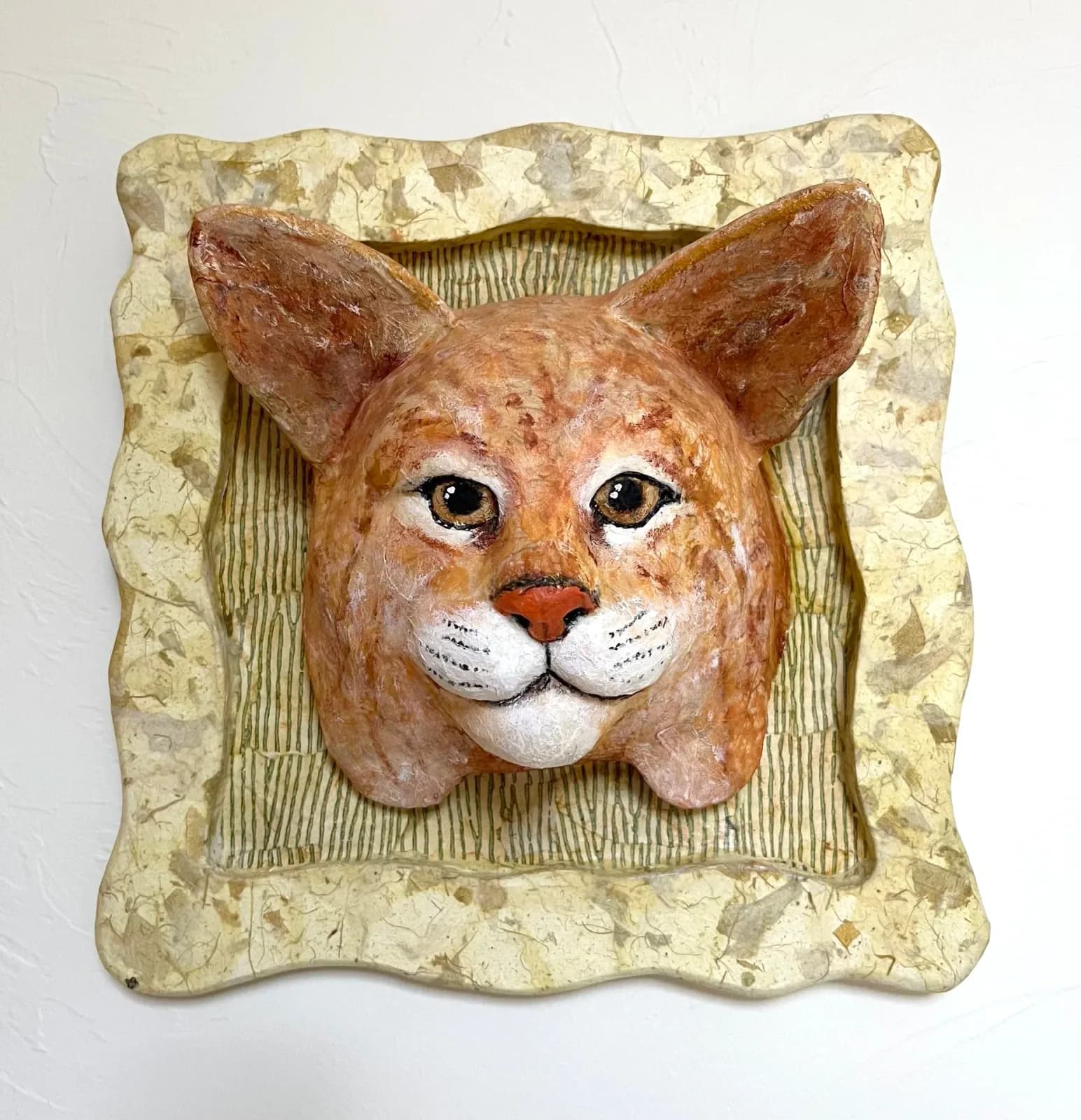
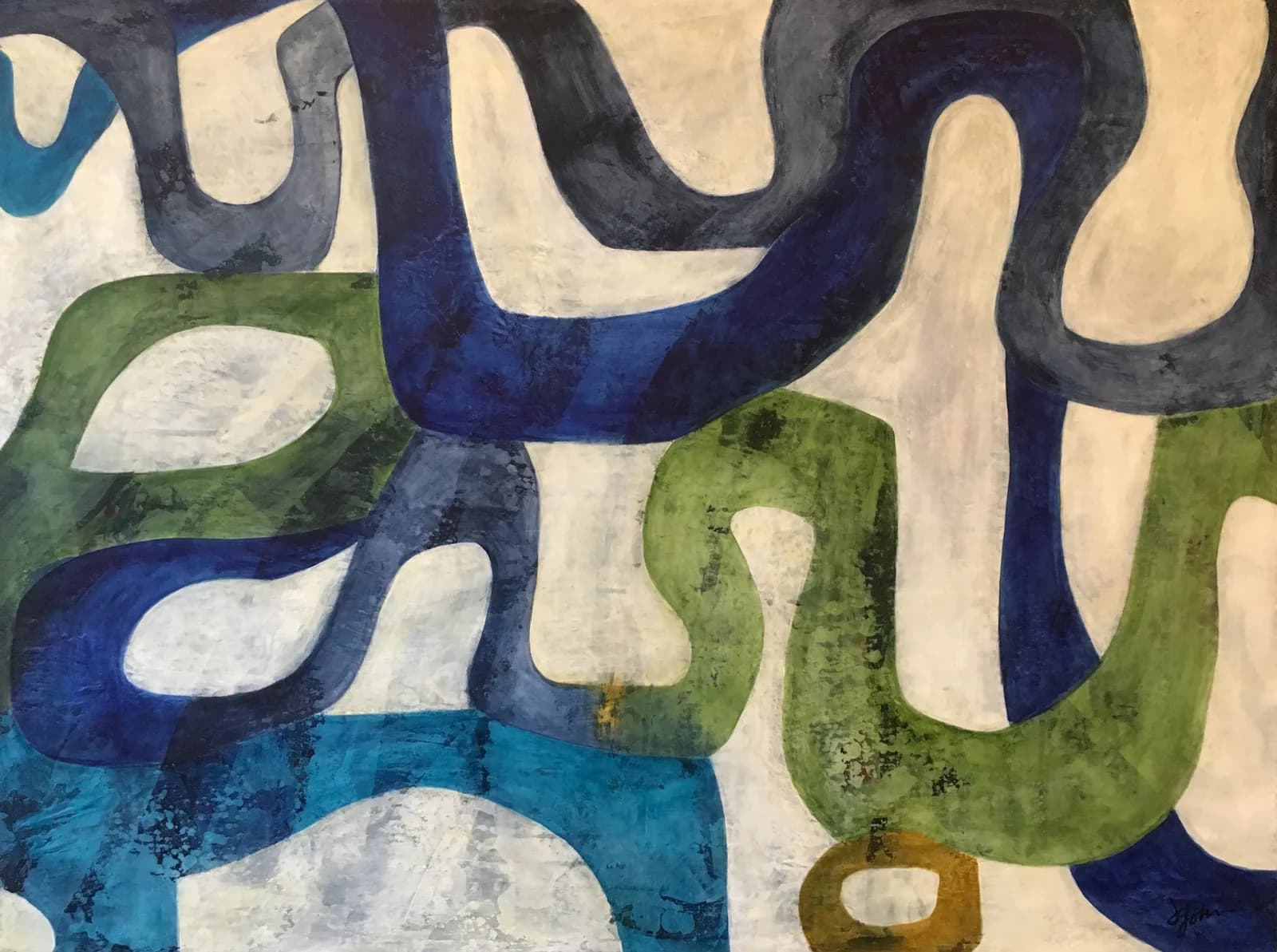
Selected work.


Artwork © Andrea Wedell.
About the artist.
Andrea Wedell is a California-born abstract painter whose work has been shaped by a lifelong engagement with art, architecture, and the visual world. She grew up in a family where making art was taken seriously. Her grandfather, sculptor Alexander Stoller, had a strong influence. She lived in Paris for 27 years, studying with Beaux-Arts-trained painters and exhibiting regularly. After returning to California, she continued exhibiting throughout the San Francisco Bay Area. Her work has expanded beyond the Bay Area, including an exhibition in Telluride, Colorado. Andrea holds a Bachelor of Arts from UCLA. She currently lives and works in Colorado. Her statement: "I don’t start with a plan. I start with a move—color, pressure, or a shape that interrupts the surface. From there, the painting pushes back. What follows is a negotiation: I build, undo, and rework until the composition holds its ground. When it does, it possesses a presence I cannot ignore. I am driven by tension: between complexity and simplicity, movement and stillness, and most importantly, balance and imbalance. My work is often vertically stacked, hovering in a state that is slightly off-center. This 'tipping point' is a reflection of my own experience—the feeling of living on an edge where one is constantly pushed off-balance, yet tasked with remaining standing. I am interested in that specific moment where instability meets cohesion. It is a state of being that is both precarious and resilient. Color is central to this process. It carries emotional weight and spatial ambiguity, creating depth while simultaneously flattening the plane. I build layers over time, leaving traces of earlier decisions so that each piece contains its own history of change—a visual record of trials, errors, and persistence. My early background in theater informs my approach to the canvas. I am drawn to honesty and presence—the way a composition can occupy space with intensity without overwhelming its environment. Each painting is an attempt to arrive at that moment where the work fully stands, holds its ground, and meets the viewer with a direct, unwavering gaze."